c. 100 BCE
Before Electricity: Beads, Bronze Gears and the First Calculating Machines
A shipwrecked Greek computer, a teenage Pascal helping his tax-collector father, and Leibniz dreaming in ones and zeros.
readTwo thousand years of machines that count, remember and decide. We tell the story of computer evolution, from a shipwrecked Greek mechanism to the processor in your pocket, carefully, clearly and with the people left in.
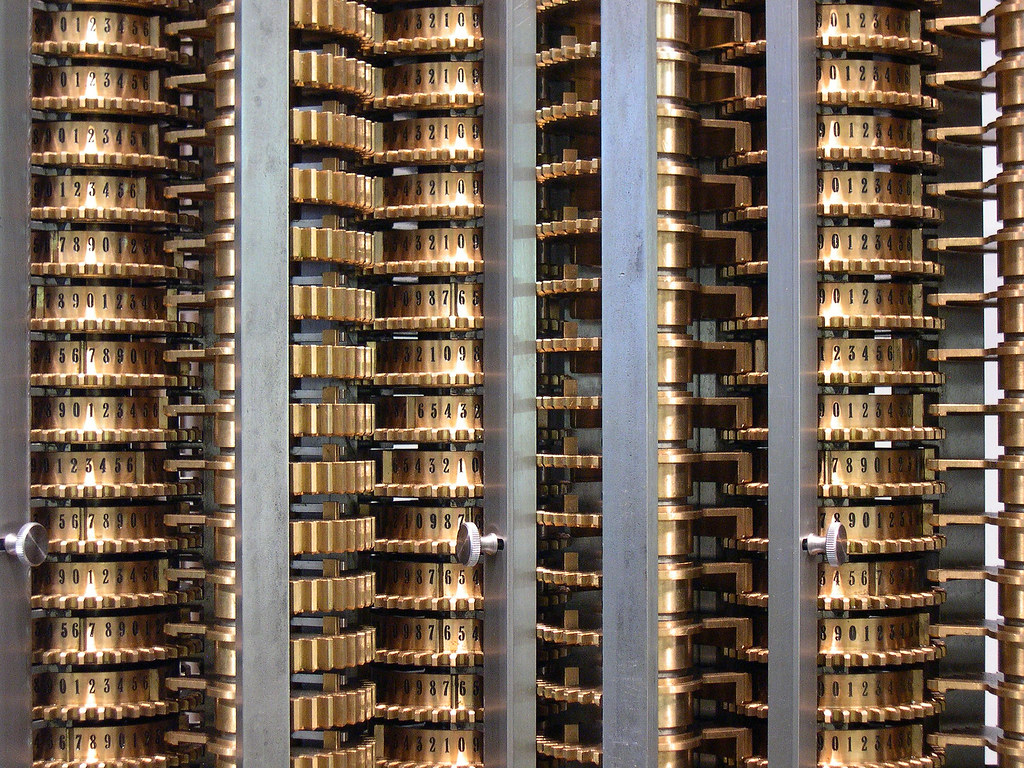
Long, carefully researched reads in rough time order. Each one stops at a machine, an idea or a person and stays long enough to explain why it mattered.
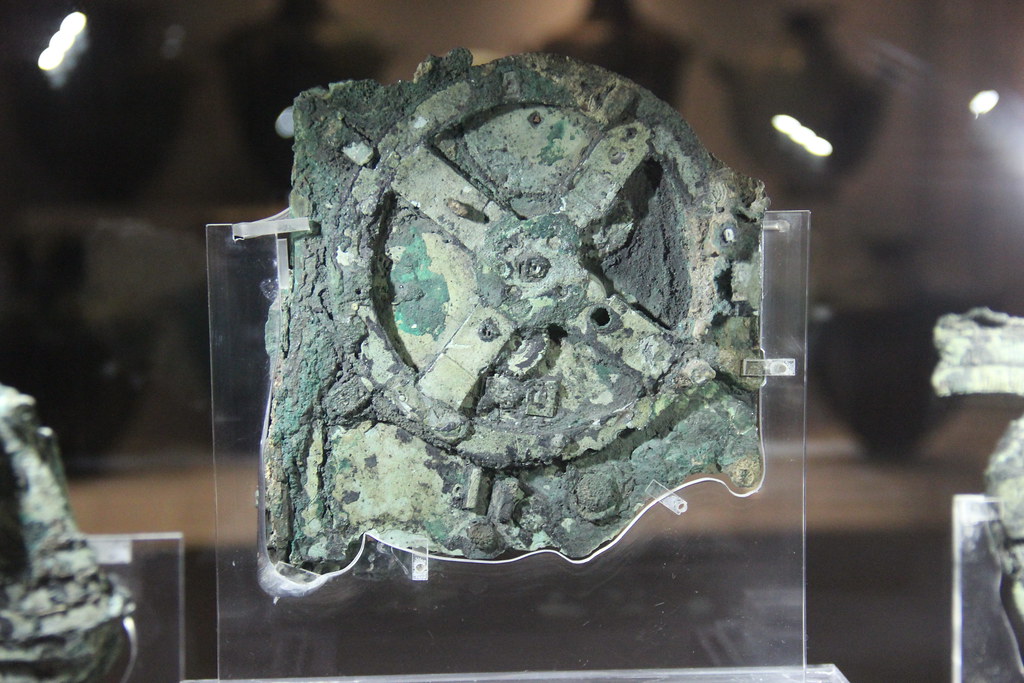
c. 100 BCE
A shipwrecked Greek computer, a teenage Pascal helping his tax-collector father, and Leibniz dreaming in ones and zeros.
read
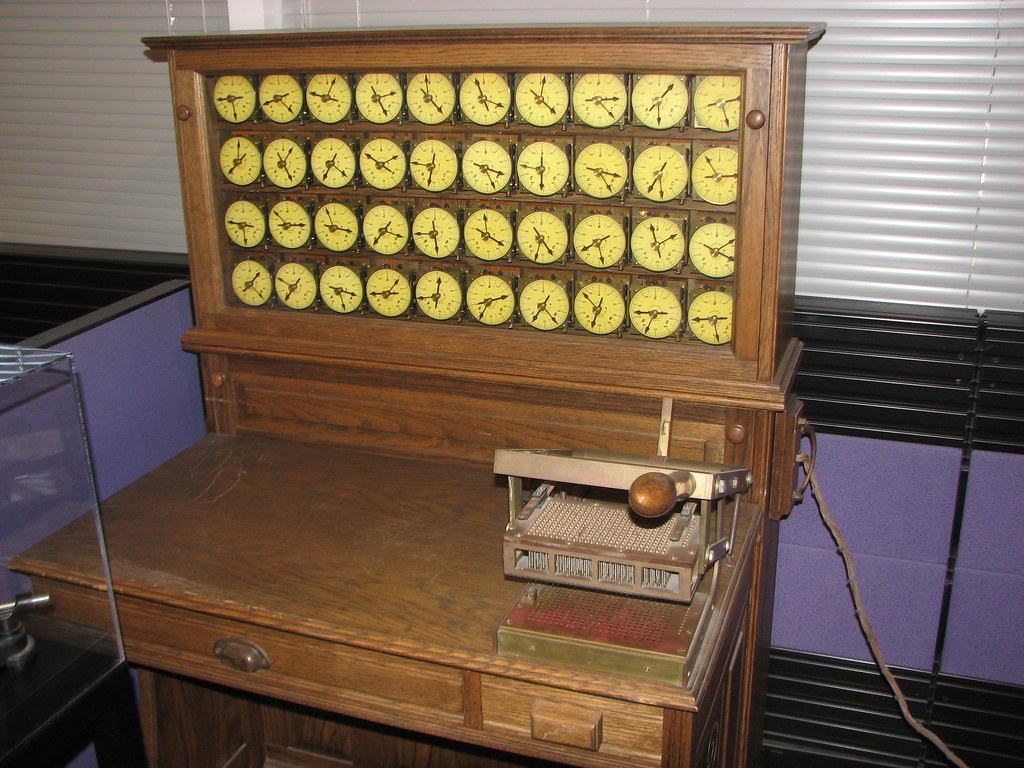
1804–1843
A weaving loom run by punched cards, a cranky genius who never finished his engines, and the first published computer program.
read
1890–1924
An 1880 census that took years to count, a Columbia-trained engineer, and the company that grew into International Business Machines.
read
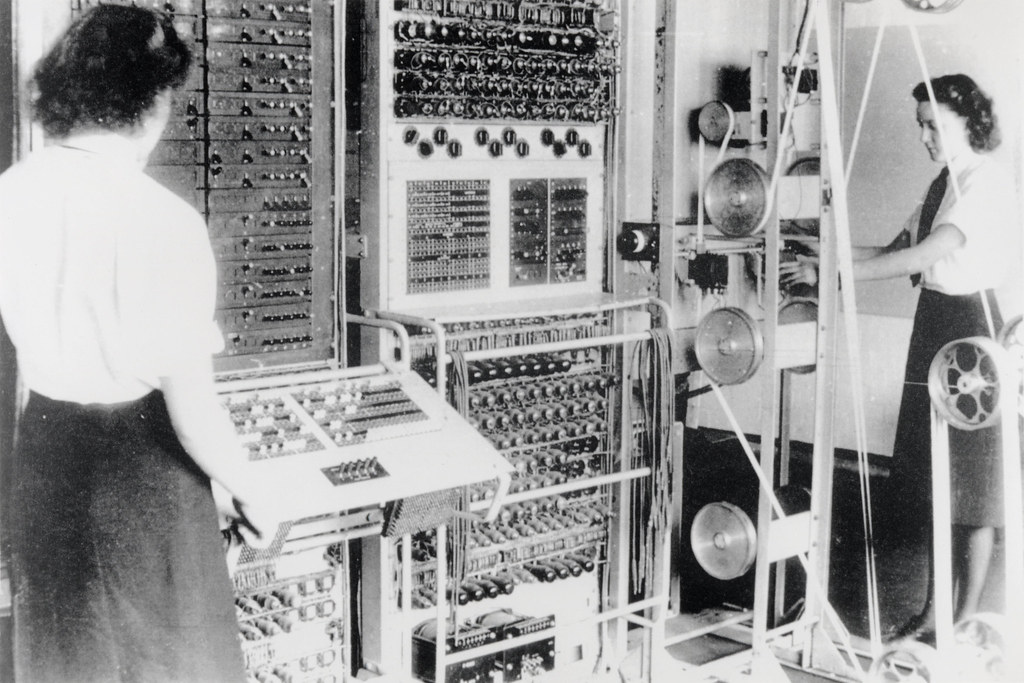
1936–1951
Code-breakers at Bletchley, a ballistics problem in Philadelphia, and six women who programmed the first big electronic computer by hand.
read
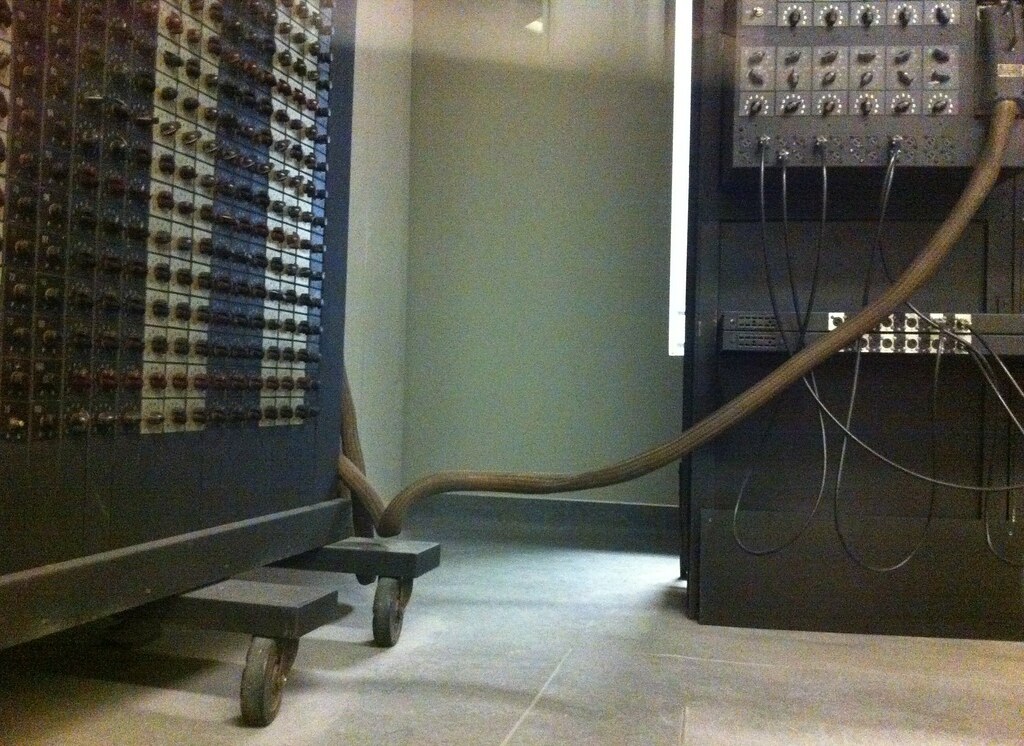
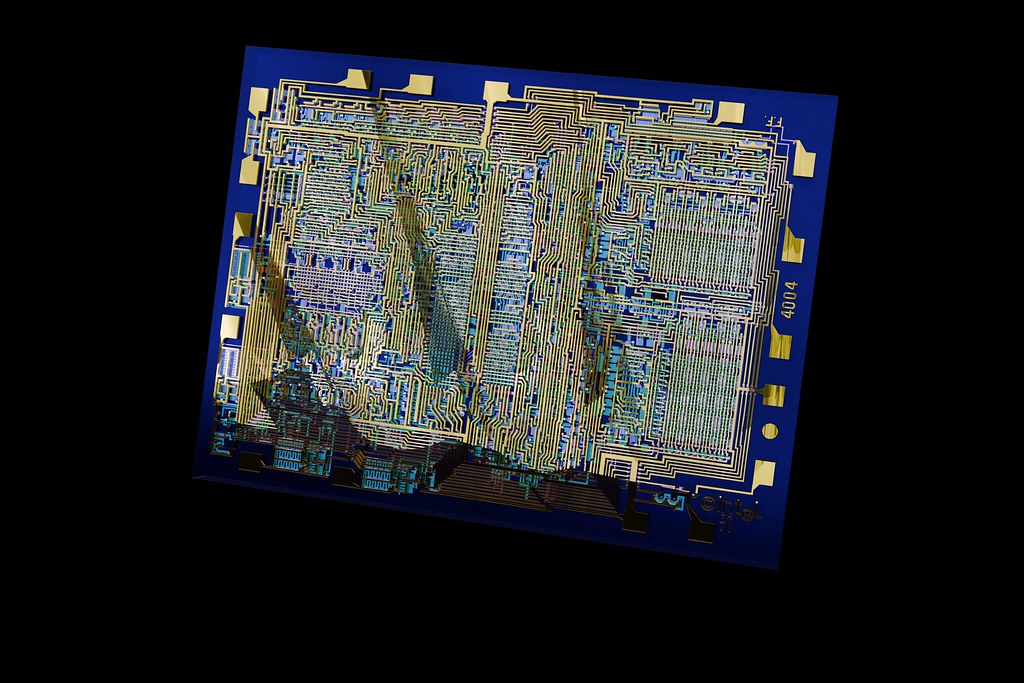
1947–1971
A crystal and a paperclip in a New Jersey lab, a famous prediction about doubling, and a whole computer on a fingernail.
readHistorians often divide electronic computers into generations by the switch inside them. Each one shrank the machine and multiplied its power.
Abacus to Hollerith: mechanical and electromechanical counting.
1940s–50s: Colossus, ENIAC, UNIVAC. Room-sized and hot.
Late 1950s–60s: smaller, cooler, far more reliable.
1960s–70s: whole circuits printed on silicon.
1971–today: a computer on a chip, then billions of them.
We're a small team of engineers, teachers and writers in Lower Manhattan, a few blocks from where IBM's story began and a short subway ride from the old Bell Labs building. We kept noticing that most people use computers all day without knowing where they came from, or who built them.
So we read the histories, visit the museums and explain it plainly, including the people history forgot, like the six women who programmed ENIAC.
About us >"The Analytical Engine weaves algebraical patterns just as the Jacquard loom weaves flowers and leaves."> Ada Lovelace, Notes on the Analytical Engine, 1843
The November 2026 TOP500, IBM's quantum milestone and ENIAC's 80th birthday.
newsFrom 2,300 transistors to over 200 billion: watch fifty years of chips on one chart.
chartEight switches, one byte. Flip them to see binary become numbers and letters.
flip